
Visit our Knowledge Center to learn more about intellectual disabilities and autism. Start learning
We're hiring, work with PathWays! View current openings

Making the most of your child’s formative years

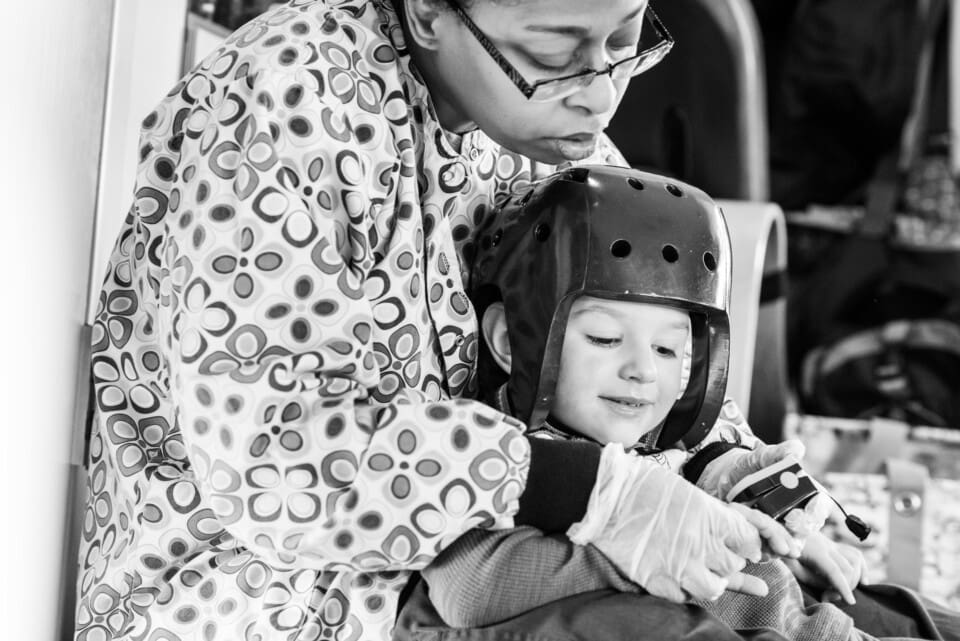
Early Intervention (EI) services include individualized support and therapies for children from birth to age three who have developmental delays or disabilities.

EI builds upon the natural learning during a child’s critical first years, focusing on what they need to thrive and providing a foundation for a fulfilling life.

Families and caregivers play an essential role in EI services because their involvement strengthens parent-child interaction and improves outcomes for infants and toddlers.

Who it’s for

Early Intervention therapies address developmental delays early in your child’s life. EI service coordinators can help you evaluate your child, confirm eligibility, and design a personalized plan. Once eligibility is confirmed by the service coordinator, pick PathWays as your child’s provider.

Early Intervention may include:

Physical therapists focus on large muscle development that assists a child in learning how to roll over, sit, crawl, and eventually walk.

Speech-language pathologists help to build an early foundation for language development and communication, as well as feeding and swallowing.

Certified teachers of the visually impaired are available to help children work toward independence.

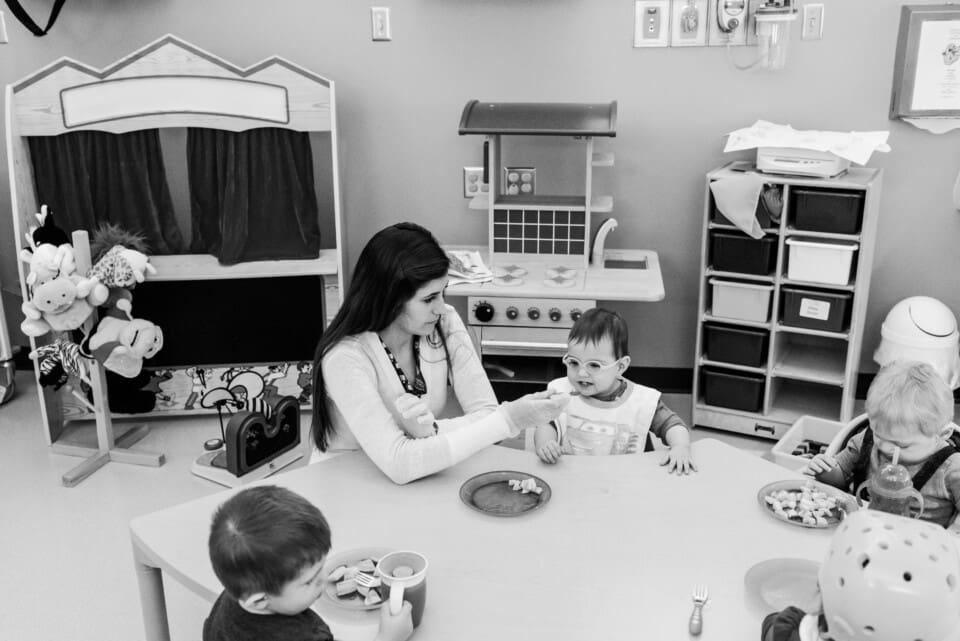
An occupational therapists can focus on activities such as eating, drinking, sleeping habits, and sensory issues.

A special instructor will focus on all aspects of motor skills and also language skills. They help to improve the child’s development and make sure they are hitting all developmental milestones.

A nutritionist can focus on strategies to improve on calorie intake, oral motor strengthening, and also help a new mom with bottle and breastfeeding.
The Benefits of Early Intervention

Our Early Intervention team understands the challenges you and your child face. We're here to help you meet them.

Free for Families

Following evaluation by an EI service coordinator, PathWays’ services are available at no cost to children from birth to age 3.

Individualized Care

Every child is unique. Your service coordinator will help you create an Individualized Family Service Plan (IFSP) that includes the best services for you and your child.

Flexible Scheduling

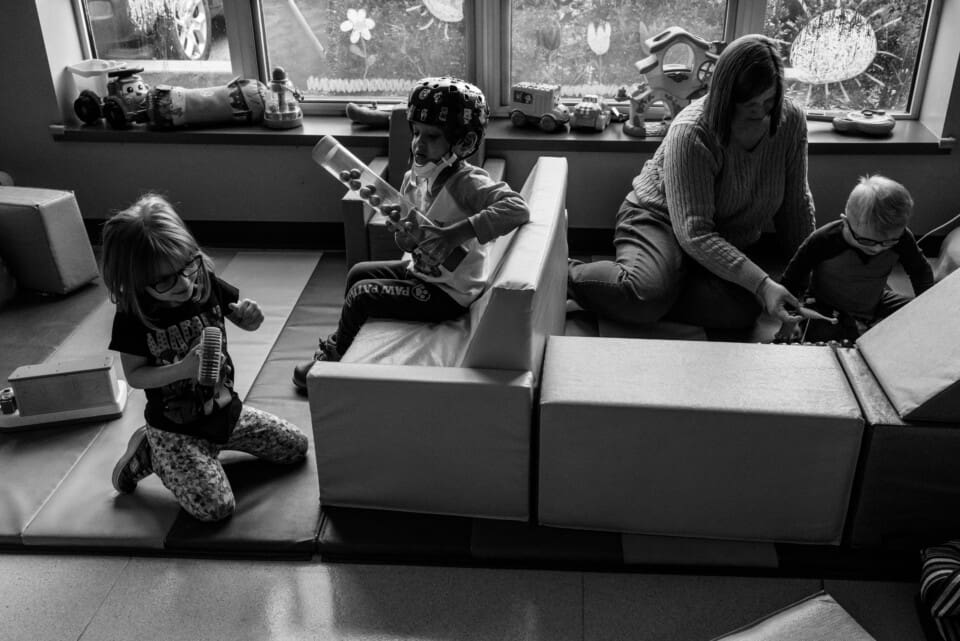
PathWays accommodates your family schedule by implementing EI services into regular parts of the day, such as playing, feeding, and sleeping.

Maintaining Progress in Learning

Playtime is a critical learning activity for young children. EI services ensure that your child will continue to build skills that will serve them throughout their life.

Get started with Early Intervention

1
Step one

Call one of three service coordination offices, depending on your county of residence, and ask to set up an Early Intervention evaluation.

2
Step two

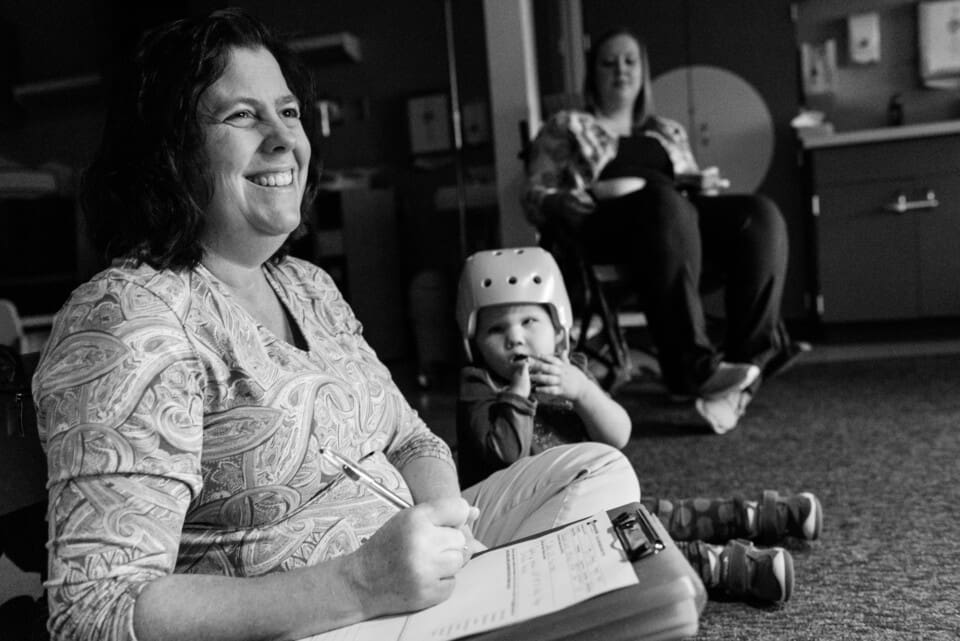
Your service coordinator will contact you to schedule a multidisciplinary evaluation for your child. This evaluation will determine if your child needs EI and the specific services necessary to aid their development.

An evaluation can be held at your home or through teletherapy, depending on the evaluation team. Your service coordinator will then walk you through the evaluation process.

3
Step three

If your Service Coordinator finds that your child needs Early Intervention services, they will help you create an Individualized Family Service Plan (IFSP). An IFSP is a unique plan that lays out the best services for you and your child, the frequency and duration of those services, and how to move forward in your child’s development. When choosing a provider for these services, choose PathWays.

Common questions about Early Intervention

Childhood development includes many milestones, or behaviors and activities that children show in their early years. For example, most children will begin playing with others around at 4 months old, or say their name and age at 3 years old. By being aware of these milestones, parents can watch for delays in their child’s development. Learn more about milestones here.

During a multidisciplinary evaluation, your Service Coordinator will look at many areas of your child’s development, including physical, communication, social, emotional, and adaptive areas. During the evaluation, the team might discuss strengths or concerns about your child’s development. The team uses all the information they gather during the evaluation to determine whether your child is eligible for EI. If so, they will build a specialized plan best suited for your family and child.

An early intervention evaluation will test for eligibility based on the following criteria:

  • Developmental delays in one or more areas of development such as cognitive, communication, physical, self-help, and social-emotional skills.
  • A diagnosed condition with a high probability of a developmental delay such as cerebral palsy, Down Syndrome.
  • Combining the use of a well-designed assessment tool also with informed clinical opinion helps to make the eligibility information meaningful.

During your evaluation, your Service Coordinator might start off by asking you a few questions about your child’s development. You can request an evaluation at any point during this screening process. To prepare for an evaluation, be prepared to do the following:

  • Inform the Service Coordinator if you need any special assistance such as an interpreter.
  • Give any important information such as health appraisal, medical records, a baby book, growth chart, or any other evaluations or reports.
  • Ask any questions or concerns you may have about your child’s development.
  • Explain which activities are challenging for your child and family to participate in at home, in the community, at child care, or any other activities you enjoy doing together.
  • Share where you currently get your support. Is it from your extended family? Your community? A parent group?

If your child is eligible for Early Intervention, your Service Coordinator will explain your Individualized Family Service Plan (or IFSP). Your IFSP lays out services and a schedule specifically tailored to you and your child, and includes your family’s unique activities, values, and community participation. Early Intervention teams understand the importance of community support. Friends, teachers, churches, neighbors, and other sources of support in one’s community can be strong and long-lasting, and are taken into account when developing the best plan for your child. Early Intervention services can be provided at home, in childcare, in conjunction with Early Head Start, or any combination of these that a family and team find works best for your child’s development.

Once you and the EI team agree on an IFSP best suited for your child, Early Intervention services must start within 2 weeks (unless a later date is recommended). As you and your child adjust to your new early intervention plan, there may be many changes to you or your child’s lifestyle to accommodate EI support. These changes could include transitioning hospital services to the home, shifting from infant/toddler services to preschool services, or switching from EI services to other early care/education settings such as Head Start or other child care programs. Families can navigate changes in services or support by being aware of the following:

  • What is needed for my child?
  • What is available? (services, support, opportunities, etc.)
  • Who is involved?
  • Where are they? (are services located in a convenient area, are they accessible, etc.)
  • How will these changes occur?
  • What will help my child adjust to these changes?
  • How can my family and child find support through this change?

Changes can happen sudden and often in life, and navigating them can be complicated if your child needs specific and support for their development. In these cases, families can contact their service coordinator to plan an IFSP meeting. During this meeting, your service coordinator will help you discuss any adjustments to best suit their development in the case of any changes to your child’s age, living situation, activities, health conditions, or otherwise. If you decide that an IFSP meeting is necessary, here are some things to think about before the meeting:

  • Your child’s unique qualities and strengths
  • What you and your family want for your child now and in the future
  • Questions you may have about your child or their behavior. All questions are important and acceptable to ask
  • Activities that you and your child enjoy doing together. These activities may be included in your EI support, as they are important to your child’s growth
  • Special needs your child has such as equipment or support to aid mobility, feeding, self-help, or communication
  • Any current difficulties that you would like solutions for such as problems with mobility or communication.

All child information and records are kept confidential, and is only accessible by persons authorized by federal and state confidentiality, privacy, and security laws. This means that information about your child cannot and will not be shared outside a program, except as permitted by law with parental consent. Only the staff who are directly involved with your child will have access to their information. State and county personnel will have limited access as well, only for the purpose of ensuring that your child’s services are delivered correctly.

Find resources related to Early Intervention

Visit our Knowledge Center to learn more about Early Intervention, intellectual disabilities, and autism.

Early Intervention Contact Information

Main Office

Amy Matteson, Program Director
Address
289 North Avenue
Washington, PA 15301
Phone
(724) 223-7803 ext. 640
Fax
(724) 223-7804

Pathways of SWPA Greene County

General Contact
Address
130 Bill George Drive
Waynesburg, PA 15370
Phone
(724) 627-3441 ext. 421
Fax
(724) 627-8008
Secret Link