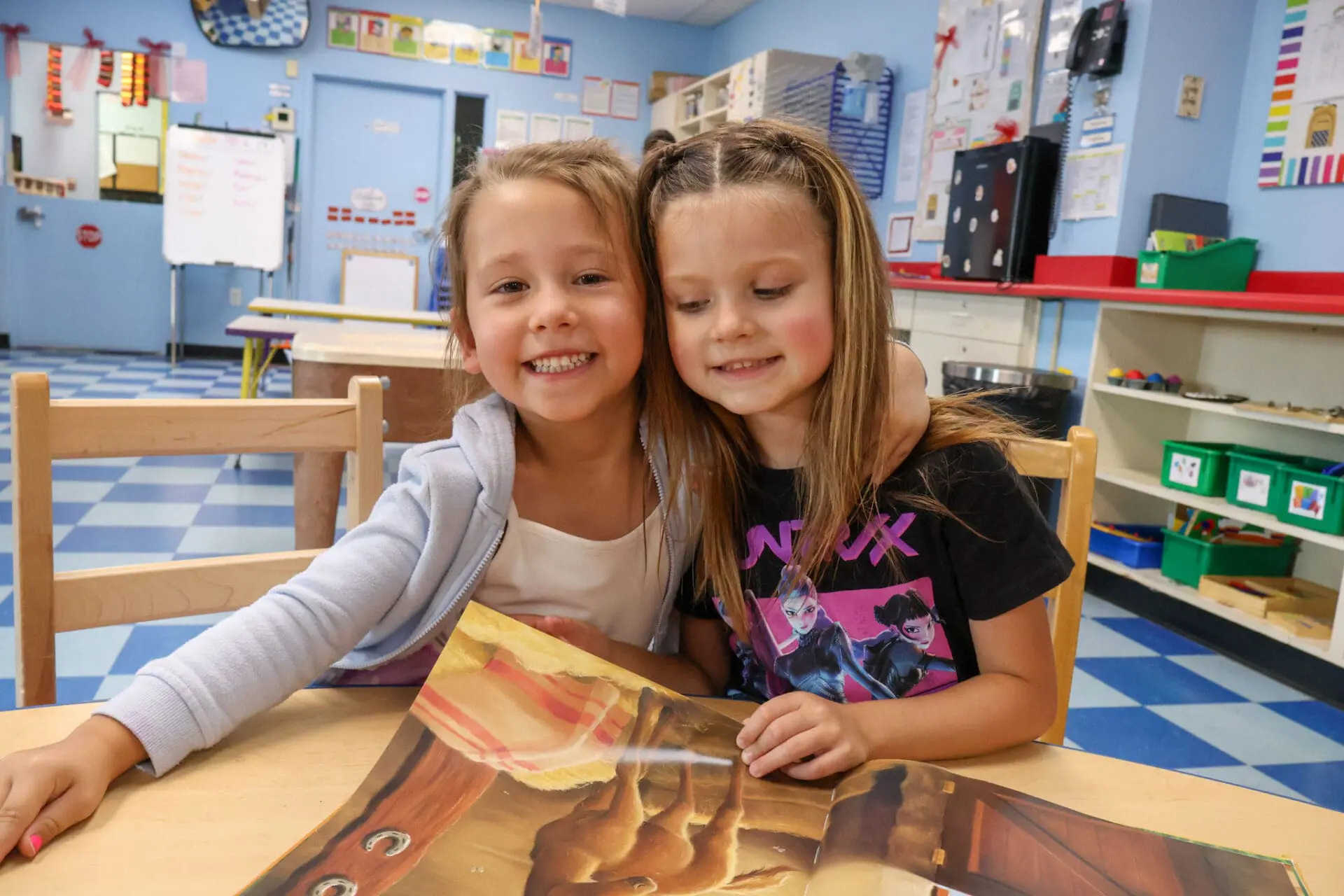
September is National Early Literacy Month, a time to recognize the importance of the experiences that help children begin developing reading, language, and communication skills. Early literacy begins long before children are able to read independently. It starts with simple experiences like listening to stories, looking through picture books, talking about what is happening on the page, and being exposed to new words, sounds, and ideas.
When parents, teachers, caregivers, and other adults read aloud with children, they help children begin making connections between spoken and written language. Over time, children start recognizing letters, sounds, words, and familiar language patterns. Hearing stories regularly can also introduce children to vocabulary they may not come across in everyday conversation.
Picture books are another important part of early learning. Illustrations can help children follow a story, identify objects and characters, understand what is happening, and make predictions about what might happen next. Asking simple questions about the pictures or story can also strengthen listening, communication, and comprehension skills.
Books can support other areas of learning as well. Counting objects, identifying colors and shapes, noticing patterns, and comparing sizes can introduce early math and observation skills in a natural way. These small moments can turn reading time into an opportunity to practice several skills at once.
Regular exposure to books, stories, and conversation helps strengthen vocabulary, critical thinking, communication, and overall understanding. During National Early Literacy Month and throughout the year, these early experiences can build an important foundation for future reading, writing, and academic learning while helping children become more comfortable and familiar with books as part of everyday life.